Way 1: visual engines with event logic
You assemble rules from building blocks such as “when the character touches a coin, add one to the score”. You place graphics, set up collisions and animations yourself. That is real game design and it gives you enormous freedom. The price is time: until even a small game runs smoothly, a few weekends of tutorials go by quickly.
Way 2: block coding
Colorful blocks that snap together like puzzle pieces are a wonderful first step into logical thinking, especially for children. Technically it is still programming, just without typos. For learning it is hard to beat; for a quick gift it is usually too much work.
Way 3: AI that writes the code
Some tools ask a language model to produce the entire game program. It is impressively quick, but there are catches: generated code can contain bugs, results vary from attempt to attempt, and changing something means understanding the code or asking the model again. Running unfamiliar code in a browser also raises security questions.
Way 4: a guided builder with a game description
This is how we work. You make five decisions and describe your idea. Claude does not write program lines; it writes a structured game description with characters, levels, texts and difficulty. The engine that plays it is already programmed and tested, which makes results dependable and prices predictable.
| Way | Learning effort | Time to a first game | Freedom |
|---|---|---|---|
| Visual engine | high | days to weeks | very high |
| Block coding | medium | hours to days | medium |
| AI writes code | low | minutes | high, but unpredictable |
| Guided builder | very low | minutes | within the genres |
When you should learn an engine instead
If you want to learn game development as a hobby or career, invent a mechanic that does not exist yet or craft every animation yourself, a conventional engine is the way. Our builder covers the cases where the game is a means to an end: a gift, a quiz for the class, a mini game for a trade-show booth, an evening with friends.
What “no code” means for us, concretely
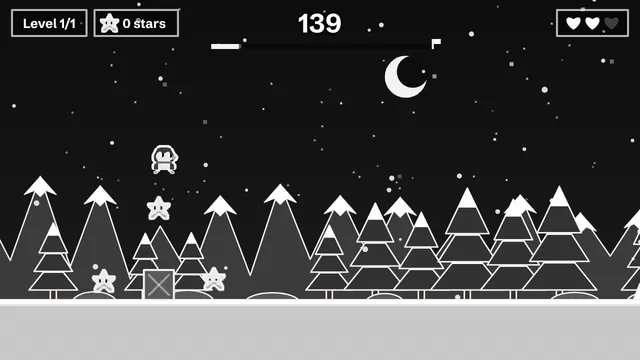
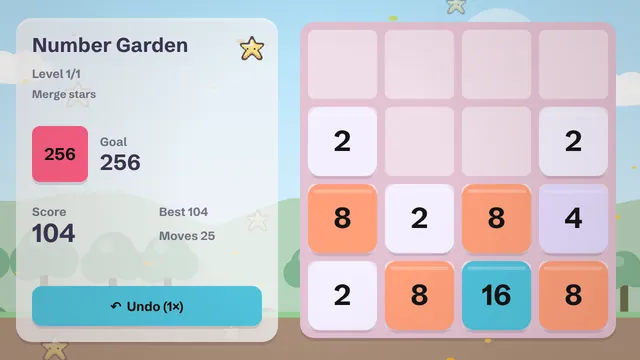
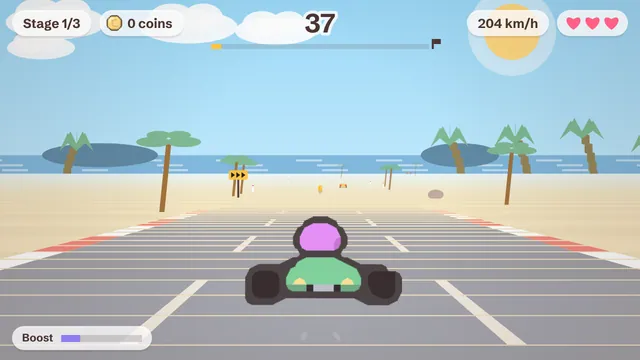
- You choose one of 9 genres: 7 compact arcade genres plus 2 world projects, from the endless runner to a 3D open-world city.
- You set size, style and extras with a click and see the price up front.
- You describe your idea in a sentence, if you like with an occasion and a first name.
- A mini runner costs 40 credits and is included once a month in the free plan.
- You share the result with a link. Nothing to install.
The step-by-step version with a worked example is our guide make a game without coding. How the AI fits in is explained on the AI game maker page.